50,000 Houston Jobs Are Sitting Empty — Here's Exactly What It Takes to Land One
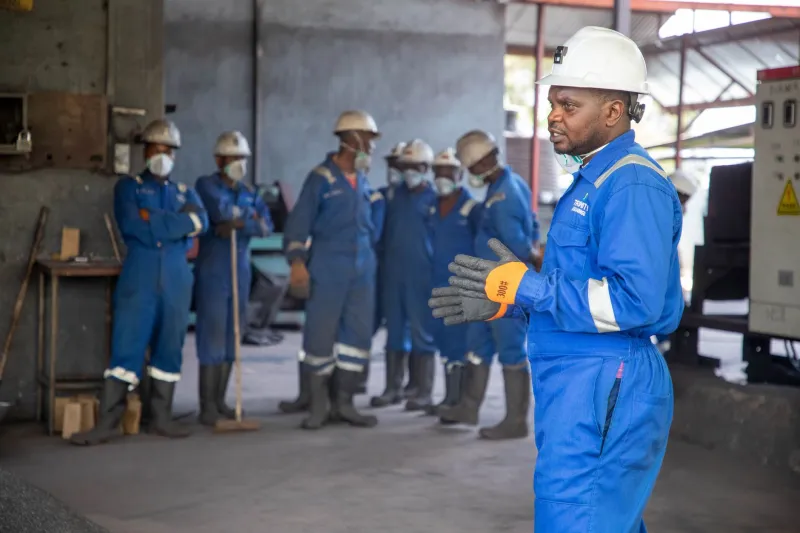
Here's something that might surprise you: while plenty of Houstonians are out there grinding through job applications and hearing nothing back, local employers are practically pulling their hair out trying to find qualified workers. We're not talking about a handful of niche openings, either. According to data from the Greater Houston Partnership, the region is staring down a skills gap that leaves more than 50,000 positions unfilled at any given time. That's not a typo.
So what's actually going on? And more importantly — how do you flip the script and become the person those employers are desperately searching for?
The Mismatch Nobody's Talking About Loudly Enough
Houston's economy is massive and genuinely diverse. Energy, healthcare, aerospace, advanced manufacturing, logistics, tech — the city has serious muscle in all of these sectors. But that diversity also means employers need workers with increasingly specific, technical skill sets. And the pipeline of workers who have those skills just hasn't kept up.
It's not that Houstonians aren't willing to work hard. It's that the type of work being demanded has shifted faster than most training programs have adjusted. A hiring manager at a Pasadena-area petrochemical plant once described it plainly: "I've got applications coming in every week, but finding someone who already holds a Process Technology certificate and has hands-on valve operation experience? That's where it gets hard."
That gap — between what applicants bring and what employers actually need — is where opportunity lives for workers who are willing to make a strategic move.
Where the Demand Is Hottest Right Now
Energy and Advanced Manufacturing
No surprise here — the energy sector is still the backbone of Houston's economy, and it's hungry for skilled tradespeople and technical professionals. But the nature of those roles is evolving. Employers along the Ship Channel and in the Energy Corridor aren't just looking for general laborers anymore. They want workers with credentials in instrumentation and controls, industrial electrical systems, welding certifications (especially ASME and AWS-certified welders), and process technology.
The salary upside is real. Certified instrumentation technicians in the Houston metro are regularly pulling $75,000–$95,000 annually, with experienced professionals in refinery settings sometimes clearing six figures. Industrial electricians with proper licensure are similarly well-compensated, often starting well above $60,000.
San Jacinto College's Process Technology program and Houston Community College's industrial trades offerings are two local pipelines that employers actively recruit from — and both offer accelerated tracks for career changers.
Healthcare: The Demand That Never Slows Down
The Texas Medical Center — the largest medical complex in the world — is right here in Houston. And the broader healthcare system surrounding it is in constant hiring mode. But the roles with the most urgent need aren't always the ones people assume.
Surgical technologists, radiologic technologists, licensed vocational nurses (LVNs), medical coders with ICD-10 certification, and patient care technicians are among the positions that area hospital systems and outpatient clinics report struggling to fill consistently. Coding and billing specialists, especially those certified through AHIMA or AAPC, are in particularly high demand as healthcare systems push to reduce administrative backlogs.
Many of these roles can be entered with one-to-two-year certification or associate degree programs — not a four-year commitment. That makes them especially powerful options for workers looking to pivot without spending years in school.
Tech and Cybersecurity
Houston's tech scene gets undersold, but it's growing fast. The city has become a legitimate hub for energy tech, health tech, and logistics technology companies — and they need workers who can actually build and protect digital infrastructure.
Cybersecurity is arguably the most acute need. CompTIA Security+, Certified Ethical Hacker (CEH), and cloud certifications from AWS or Microsoft Azure are credentials that Houston employers — including major energy companies that have moved aggressively into digital operations — are willing to pay serious premiums for. Entry-level cybersecurity analysts in Houston are often starting at $55,000–$70,000, with experienced professionals earning considerably more.
Data analytics skills are similarly in demand. Workers who can demonstrate proficiency in SQL, Python, or tools like Tableau and Power BI are finding doors open across industries — not just in traditional tech companies.
Your Roadmap: Moving From Where You Are to Where the Jobs Are
Okay, so the opportunity is real. But knowing that doesn't automatically get you hired. Here's a practical approach to closing the gap on your own terms.
Step 1: Get honest about your starting point. Pull up a few job postings in the sectors above that pay what you're targeting. List every hard skill and certification they mention. Then honestly assess which ones you already have versus which ones you'd need to build. This gap analysis is your personal roadmap.
Step 2: Find the fastest credentialing path that's legitimate. Faster isn't always better, but in a hot job market, time matters. Look into programs at Houston Community College, San Jacinto College, Lone Star College, and coding bootcamps or cybersecurity accelerators with strong local employer partnerships. The Texas Workforce Commission's Skills for Small Business and Self-Sufficiency Fund programs can also help cover costs for qualifying workers.
Step 3: Don't underestimate the power of stackable credentials. You don't have to get a whole new degree to become more competitive. Sometimes adding a single certification — an AWS Cloud Practitioner badge, an OSHA 30-hour card, or a phlebotomy certification — is enough to move your resume from the "maybe" pile to the shortlist. Stack credentials strategically over time rather than waiting until you feel "ready."
Step 4: Get connected to employers before you finish training. This is where a lot of job seekers miss a huge opportunity. Many Houston-area employers actively partner with training programs and hire people who are still completing coursework. Career fairs at community colleges, employer information sessions, and workforce development events hosted by organizations like Workforce Solutions are all ways to get in front of hiring managers while you're still building credentials — not after.
The Bottom Line
Houston's skills gap isn't a problem for job seekers — it's an opening. When employers are struggling this hard to find qualified workers, the leverage shifts toward anyone willing to show up with the right credentials and a genuine readiness to contribute.
The city's training infrastructure is strong, the financial support programs exist, and the jobs are absolutely there. What bridges the gap is a clear-eyed strategy and the willingness to invest in yourself with intention.
You don't have to figure this out alone, either. HoustonWorks is here to help you identify the right path, connect with local training resources, and find employers who are actively looking for someone exactly like you — they just haven't met you yet.
The seats are empty. Go fill one.