Houston's Quiet Boom: The Industry Minting Six-Figure Earners That Most Job Seekers Are Completely Ignoring
Everybody knows Houston for oil rigs and medical centers. And sure, those industries still matter. But while job seekers are crowding into the same pipelines — nursing programs, IT bootcamps, offshore certifications — a whole other economy is quietly taking shape right here in H-Town. It's paying well, it's growing fast, and most Houstonians have no idea it's even hiring.
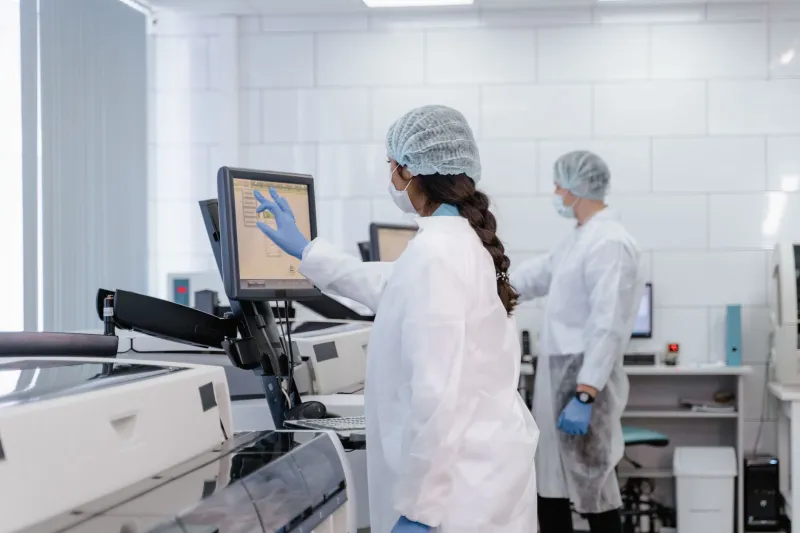
We're talking about life sciences — specifically the intersection of biotech, medical devices, and pharmaceutical manufacturing that's been steadily building up in Houston's Innovation Corridor and the Texas Medical Center's surrounding ecosystem. This isn't just lab coat territory anymore. It's supply chain managers, quality control techs, regulatory affairs specialists, and manufacturing floor supervisors pulling down $80,000 to well over $120,000 a year. And the pipeline of qualified workers? Nowhere near keeping up.
Why Life Sciences Is Houston's Best-Kept Secret
Houston already has the largest medical complex in the world sitting in its backyard. What people don't always realize is that the Texas Medical Center has been quietly incubating a biotech and life sciences manufacturing ecosystem for years — and that ecosystem just hit a serious growth spurt.
According to the Greater Houston Partnership, life sciences employment in the Houston metro grew by more than 20% between 2019 and 2023. Companies like Lonza, Johnson & Johnson MedTech, and a wave of homegrown startups have been expanding operations, signing leases, and posting jobs — often struggling to fill them. The sector currently accounts for over 70,000 jobs in the region, and projections suggest that number could climb significantly by the end of the decade.
Here's the kicker: a lot of those open roles don't require a PhD or even a four-year degree. They require technical skills, attention to detail, and the ability to work in a regulated environment. Sound familiar? That's because many of those skills already live in Houston's existing workforce — in refineries, in manufacturing plants, in hospitals, and in construction.
Real People Who Made the Jump
Take Marcus, a 34-year-old from Third Ward who spent eight years doing quality assurance work at a food processing facility in Pasadena. He heard about a certification program through a workforce development partner and decided to take a shot on a Quality Control Technician role at a medical device company near the Energy Corridor. Within two years, he was earning $78,000 — more than double his previous salary — and working toward a senior QC specialist certification.
Or consider Daniela, a former pharmacy tech from Alief who pivoted into regulatory affairs after completing a certificate program at Houston Community College. She now works as a Regulatory Affairs Associate for a biotech firm, earns $95,000, and tells anyone who'll listen that she wishes she'd made the move sooner. "I thought it was going to be way more complicated than it was," she says. "The hardest part was just believing I could do it."
These aren't outliers. They're increasingly common stories in a sector that's actively recruiting from adjacent industries because it can't grow fast enough on traditional pipelines alone.
What Roles Are Actually Open — and What They Pay
Let's get specific. Here are some of the most in-demand life sciences roles in Houston right now, along with typical salary ranges:
- Quality Control Technician: $55,000–$80,000. Often entry-level with room to grow fast.
- Regulatory Affairs Specialist: $85,000–$115,000. Requires strong documentation skills and attention to compliance detail.
- Bioprocessing Technician: $60,000–$90,000. Lots of crossover potential from chemical plant and refinery backgrounds.
- Clinical Research Coordinator: $55,000–$75,000. Great entry point for healthcare workers looking to move off the floor.
- Supply Chain & Logistics Manager (Life Sciences): $90,000–$130,000. Especially high demand post-pandemic.
- Validation Engineer: $95,000–$130,000. For folks with engineering backgrounds who want out of oil and gas.
These numbers aren't cherry-picked. They're pulled from job postings across LinkedIn, Indeed, and direct company career pages for Houston-area roles listed in the past six months.
Your Step-by-Step Roadmap to Breaking In
Okay, so you're interested. Where do you actually start? Here's a practical path forward, especially if you're coming from outside the industry.
Step 1: Audit Your Transferable Skills Life sciences companies aren't just looking for biotech grads. They're looking for people who understand process documentation, safety protocols, quality standards, and regulated environments. If you've worked in food manufacturing, chemical processing, healthcare, or even aerospace, you likely have more relevant experience than you think. Write it all down.
Step 2: Get a Targeted Certification You don't need to go back to school for four years. Houston Community College, San Jacinto College, and Lone Star College all offer certificate programs in biotech manufacturing, quality systems, and healthcare regulatory affairs — many of which can be completed in under a year. Some are even free or low-cost through workforce development funding. Check with Workforce Solutions Gulf Coast to see what you qualify for.
Step 3: Connect With the Right Networks The Texas Medical Center hosts regular career fairs and networking events through its TMC Innovation Institute. The Greater Houston Partnership's LifeSciencesTX arm also holds mixers and job boards specifically for this sector. These aren't the places where everyone shows up — which means less competition for you.
Step 4: Target Companies in the Hiring Surge Right now, companies actively hiring in Houston's life sciences space include Lonza, Fujifilm Diosynth Biotechnologies (which has a major facility in College Station but recruits in Houston), BioAtla, NovaBay Pharmaceuticals, and dozens of medical device startups clustered near the TMC. Set up job alerts and follow their LinkedIn pages.
Step 5: Tailor Your Resume for a Regulated Industry This is where a lot of candidates stumble. Life sciences employers care deeply about your familiarity with things like SOPs (standard operating procedures), GMP (good manufacturing practices), and FDA compliance frameworks. If your past job involved any of these — even informally — make sure your resume says so explicitly. Use the language of the industry.
The Bottom Line
Houston has always reinvented itself. From cotton to oil, from oil to healthcare, from healthcare to aerospace — this city has a long track record of pivoting toward opportunity. Life sciences is the next chapter, and the window to get in early is wide open right now.
You don't need a perfect background. You don't need to start from scratch. You just need to take the first step and connect with the right resources. That's exactly what HoustonWorks is here to help you do.
If you're ready to explore what life sciences careers might look like for you, check out our job board and workforce training resources. The opportunity is real — and it's right here in your city.